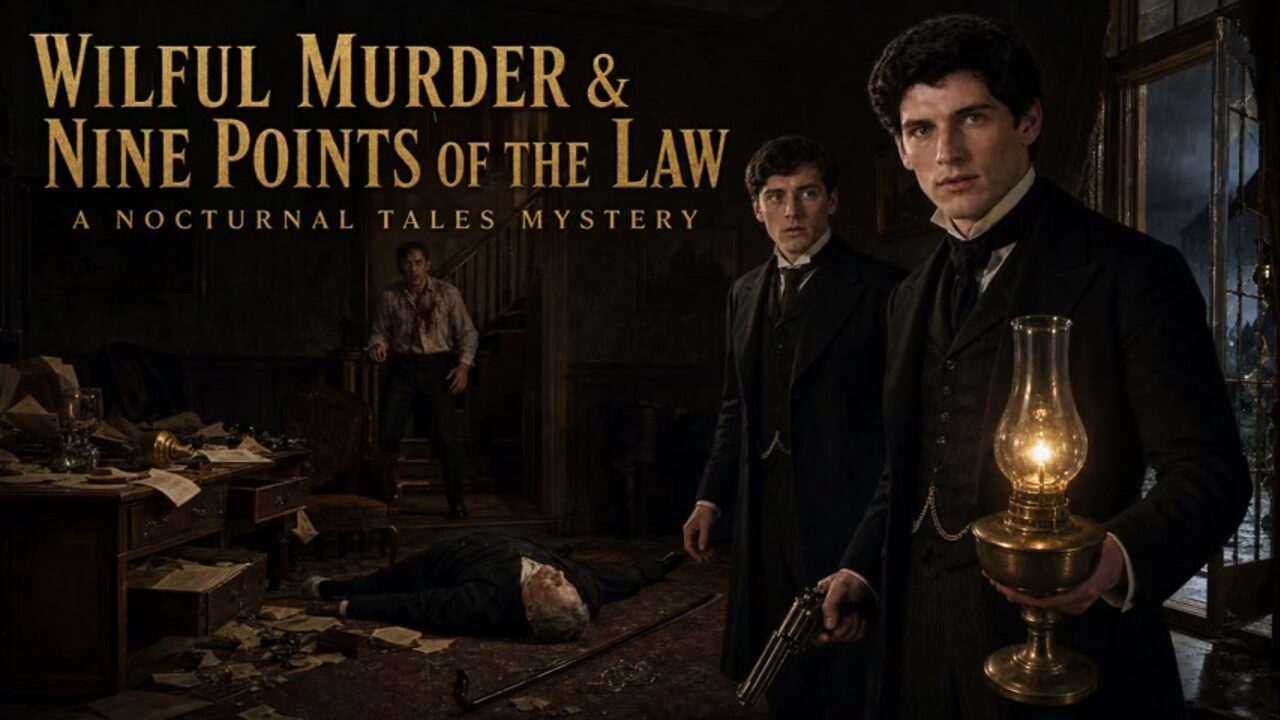
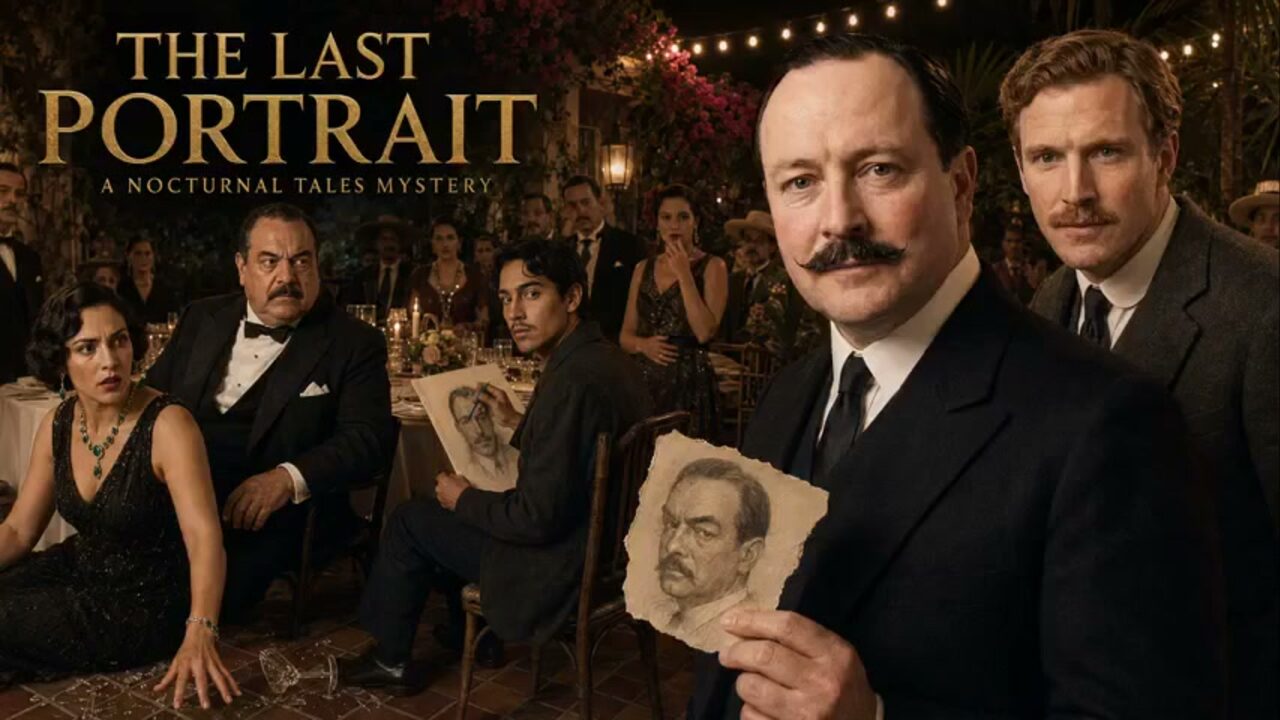
On the eve of a lavish engagement celebration at Blenheim, a Duke begs the Belgian Detective to save him from a menace no one will name, as insomnia, confusion, and sightings of a “man in the corridor” are politely reframed as exhaustion; while luncheon, tea, and dinner unfold like rehearsed theatre, a bitter green scent, a charming violinist, and an unblinking physician form the perfect cover for a quieter crime—one designed not to kill, but to take a man’s life away through paperwork, reputation, and the convenient diagnosis of unfitness; inspired by historical crime of its era while remaining entirely fictional, The Tea at Blenheim is an original Golden Age–style mystery about control, staged compassion, and the lethal elegance of calling coercion “for his own good.” Poirot