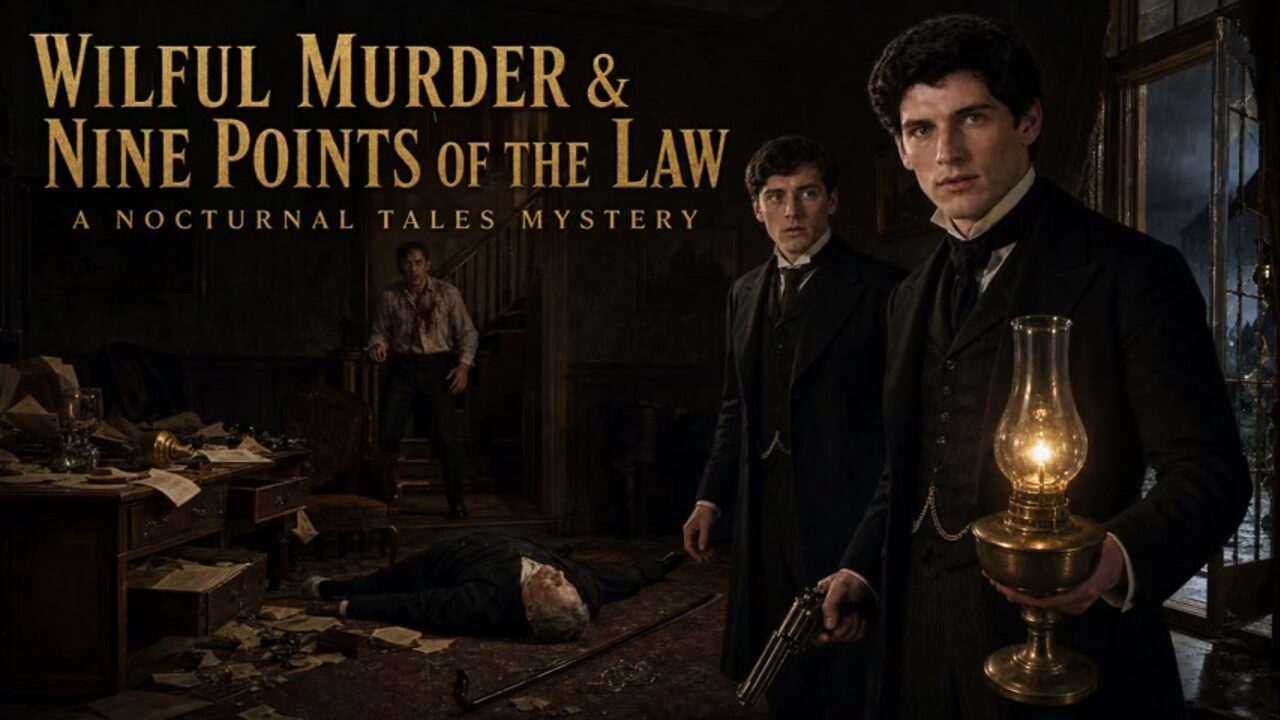
Aristide Valentin, the most celebrated detective in Europe, throws a dinner party at his Paris mansion — a house whose garden is sealed on every side by a high, spiked, unscalable wall, with a single guarded exit. Among the guests are an English ambassador, a French doctor, a swaggering Foreign Legion commandant, and a small, blinking priest from Essex named Father Brown. Before the night is over, a man lies dead in that locked garden — beheaded — and the head beside the body belongs to no one who was ever invited. A corpse that cannot be there. A head that does not fit. A garden no killer could have entered or left. Only Father Brown, apologetic and half-asleep, sees the monstrous simplicity underneath it. This is Father Brown's second case, from the collection that gave the world G. K. Chesterton's mild, umbrella-carrying priest — the detective who solves crimes not by cigar ash and footprints but by understanding the human soul. A landmark of the impossible-crime form, with one of the most shocking solutions in all detective fiction.